Harnessing Digital Twins in Gaming: A New Frontier for Immersive Experiences
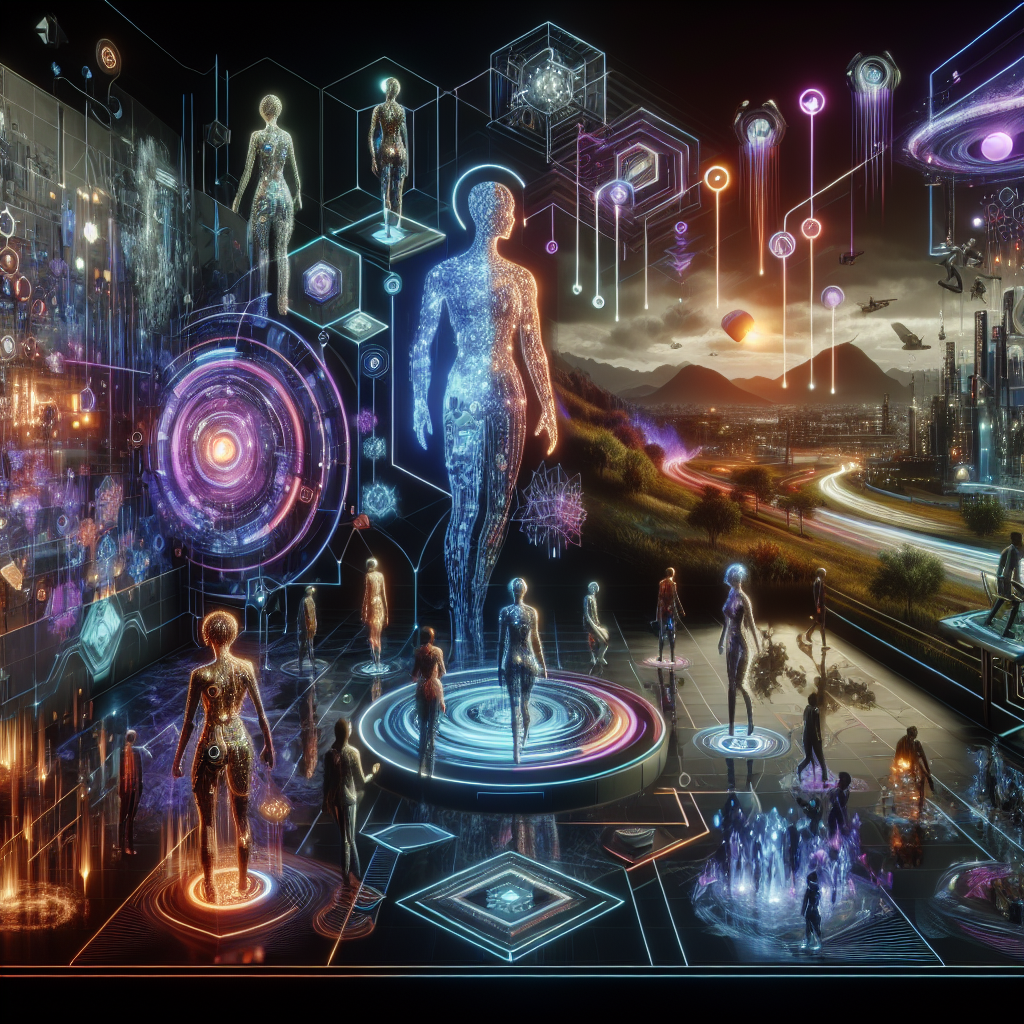
As the gaming industry rapidly evolves, the emergence of digital twin technology is setting a new standard for immersive experiences. By creating virtual replicas of physical entities, digital twins are revolutionizing game development and player interaction, paving the way for more engaging and personalized gameplay. In this post, we will delve into the concept of digital twins, examine their impact on game development, explore case studies showcasing successful implementations, discuss the role of data analytics, address the challenges of adopting this technology, and look ahead to future trends in gaming.
Understanding Digital Twins in Gaming
Digital twins refer to the digital representation of real-world entities, processes, or systems, allowing for real-time simulation and analysis. In the context of gaming, this technology enables developers to create highly detailed virtual replicas of game environments, characters, and even player behaviors. By leveraging real-time data, digital twins can enhance the gaming experience in several ways:
- Increased Realism: Digital twins allow for a more accurate representation of physical elements within a game, providing players with a sense of realism that enhances immersion. For instance, weather patterns, character interactions, and environmental changes can be simulated based on real-world data.
- Personalized Experiences: By analyzing player behavior and preferences through digital twin technology, developers can tailor gameplay experiences to individual users. This customization can range from adjusting difficulty levels to providing personalized in-game rewards.
- Enhanced Game Testing: Digital twins facilitate comprehensive testing scenarios by simulating various in-game conditions without the need for extensive physical resources. Developers can quickly identify bugs and optimize gameplay mechanics before launch.
- Dynamic Content Updates: As player behaviors evolve, digital twins can help developers keep content fresh and engaging by automatically adjusting in-game elements based on real-time analytics. This capability ensures that players remain invested in the gaming experience.
Overall, the integration of digital twins in gaming not only enriches the player experience but also streamlines the development process, making it a promising avenue for future innovations in the industry. As we continue to explore this exciting frontier, the potential for digital twins to redefine gaming experiences is immense.
Enhancing Game Development with Digital Twin Technology
The gaming industry is on the cusp of a remarkable transformation, driven by the integration of digital twin technology. This innovative approach enables developers to create real-time, virtual replicas of physical systems, enhancing the way games are developed and experienced. By leveraging digital twins, game developers can simulate complex environments, refine gameplay mechanics, and provide players with immersive experiences that are both dynamic and responsive.
What are Digital Twins? Digital twins are virtual representations of physical entities or systems that utilize real-time data to simulate their behavior. In gaming, this technology allows developers to mirror real-world physics, player interactions, and environmental changes within the game world. This synchronization creates a more authentic and engaging experience for players.
- Enhanced Realism: Players can interact with environments that react in real-time, making gameplay more immersive.
- Improved Testing: Developers can simulate various scenarios and player behaviors, leading to better game balance and fewer bugs.
- Dynamic Content: Games can evolve based on player actions and real-world data, keeping the experience fresh and engaging.
One of the most exciting applications of digital twin technology in gaming is in open-world environments. Developers can create expansive worlds that change in response to player decisions, weather patterns, or even time of day. For example, a digital twin of a city can evolve as players complete missions or explore different districts, leading to unique gameplay experiences tailored to individual players.
Moreover, digital twins can also be utilized in multiplayer settings. By creating a unified, real-time model of game worlds, developers can ensure that all players experience the same events and interactions, fostering a sense of community and competition. This technology also allows for real-time updates and expansions, enabling developers to add new features and content without extensive downtime.
In conclusion, digital twin technology is paving the way for a new era in game development, offering unprecedented opportunities for realism, engagement, and creativity. As the industry continues to embrace this innovative approach, players can look forward to increasingly immersive and interactive gaming experiences.
Case Studies: Successful Implementation of Digital Twins
The concept of digital twins – virtual replicas of physical entities – has gained significant traction across various industries, including gaming. These innovative models allow developers to create immersive experiences by simulating real-world environments and objects within the gaming realm. Here, we explore some successful case studies that illustrate the potential of digital twins in enhancing player engagement and interaction.
These case studies highlight the transformative potential of digital twins in gaming, showcasing how they can create more engaging and immersive experiences for players. By integrating real-world data and environments, developers can enhance gameplay, foster community interaction, and introduce innovative features that keep players returning for more.
As technology continues to evolve, the application of digital twins in gaming is set to grow, paving the way for a new era of interactive entertainment that blurs the lines between the virtual and real worlds.
The Role of Data Analytics in Digital Twins
In the ever-evolving landscape of gaming, the integration of digital twins is emerging as a transformative force, particularly in enhancing player engagement and experience. A digital twin refers to a virtual representation of a physical object or system, allowing developers to simulate and analyze real-world scenarios within the gaming universe. This innovative approach is increasingly being supported by advanced data analytics, which plays a crucial role in harnessing the potential of digital twins.
Data analytics empowers game developers to create more immersive and responsive environments by leveraging real-time insights derived from player interactions. By employing sophisticated analytics tools, developers can track player behavior, preferences, and engagement levels, thereby facilitating a more tailored gaming experience. Here are some key aspects of how data analytics enhances the implementation of digital twins in gaming:
- Real-time Feedback: Data analytics enables developers to receive immediate feedback on how players engage with the game. This feedback loop allows for rapid adjustments to gameplay mechanics, ensuring that the experience remains engaging and relevant.
- Predictive Modeling: By analyzing historical player data, developers can create predictive models that anticipate player actions and preferences. This foresight can guide the evolution of game narratives and mechanics, creating a more personalized experience.
- Performance Optimization: Data analytics can help identify performance bottlenecks within the game environment. By understanding how different components interact, developers can optimize the game for better performance, thereby enhancing the overall player experience.
- Enhanced Interaction: Digital twins can simulate complex interactions between game elements and players, driven by data analytics. This creates dynamic environments that react and adapt to player choices, leading to richer storytelling and gameplay.
Moreover, the ability to visualize and analyze data through digital twins allows for innovative game design elements that were previously unimaginable. For instance, developers can use real-world data to influence in-game events, making the gaming experience feel more connected to players’ realities.
As the gaming industry embraces the potential of digital twins, the role of data analytics will only grow more critical. By fostering a deeper understanding of player interactions and preferences, developers can create experiences that are not just entertaining but also deeply engaging, ultimately leading to a more loyal player base.
Challenges in Adopting Digital Twin Technology
The integration of digital twin technology into the gaming industry presents a myriad of exciting possibilities for immersive experiences, yet several significant challenges hinder its widespread adoption. As game developers and companies explore this innovative technology, they must navigate these hurdles to fully realize its potential.
1. Technical Complexity
Creating a digital twin involves replicating a physical object or environment in a virtual space, which requires extensive technical expertise. The complexity of integrating real-time data with virtual models can overwhelm developers, necessitating a robust understanding of both hardware and software components.
2. Data Management
Digital twins rely on vast amounts of data for accurate representation. Managing and processing this data is a major challenge, particularly in ensuring its integrity and real-time accuracy. Developers must implement sophisticated systems to handle data collection, storage, and analysis.
3. Cost Implications
Implementing digital twin technology involves significant financial investment. The cost of the necessary infrastructure, software, and talent can be prohibitive, especially for indie developers or smaller studios. This economic barrier often leads to reluctance in adopting the technology.
4. User Experience Integration
Seamlessly integrating digital twins into existing games requires careful consideration of user experience. Developers need to ensure that the addition of digital twin elements enhances gameplay rather than complicating it. This challenge demands thorough user testing and feedback loops to refine the experience.
5. Interoperability Issues
Another significant challenge lies in ensuring interoperability among various platforms and systems. Digital twins must work across different devices and environments, which can lead to compatibility issues. Developers must invest time in creating solutions that facilitate smooth interactions.
6. Security Concerns
With the use of digital twins comes an increased risk of data breaches and security vulnerabilities. Protecting sensitive player data and ensuring the integrity of the digital twin itself is paramount. Developers must prioritize robust security measures to safeguard against potential threats.
In summary, while the potential for digital twin technology in gaming is vast, overcoming these challenges is essential for its successful implementation. Developers and stakeholders must collaborate to address these issues, paving the way for a new era of interactive entertainment that captivates players like never before.
Future Trends: The Evolution of Digital Twins in Gaming
The concept of digital twins has emerged as a transformative force in various industries, and its integration into gaming is paving the way for a new frontier of immersive experiences. Digital twins are virtual replicas of physical entities, systems, or processes, allowing for real-time simulation and analysis. In gaming, they can enhance player engagement, offering a level of interactivity and realism that was previously unattainable.
As we venture into the future of gaming, several trends are shaping the evolution of digital twins:
- Enhanced Realism: With advancements in graphics technology and AI, digital twins can create realistic environments that respond dynamically to player actions. This leads to a more immersive gaming experience where players feel truly part of the game world.
- Data-Driven Gameplay: By leveraging real-time data, digital twins can adapt gameplay based on user behaviour. This capability allows developers to create personalized experiences that cater to individual player preferences and styles, enhancing overall satisfaction.
- Collaborative Gaming: Digital twins enable multiple players to interact in a shared virtual space that mirrors real-world physics and dynamics. This opens doors for innovative multiplayer experiences, where players can collaborate or compete in ways that feel more authentic.
- Training and Simulation: Beyond entertainment, gaming with digital twins can serve as a training tool. Industries can develop simulations for training purposes, such as emergency response or military operations, where players can engage in realistic scenarios without real-world consequences.
- Integration with IoT: As the Internet of Things (IoT) continues to expand, digital twins can be utilized to connect gaming with real-world objects. This integration allows for interactive gameplay that reflects real-time changes in physical environments, offering players an unprecedented level of engagement.
As these trends continue to unfold, the future of gaming will be defined by how effectively digital twins can enhance player experiences. By embracing this technology, developers can create games that are not only entertaining but also deeply immersive and reflective of the complexities of the real world.