The Influence of Cultural Narratives in Video Game Development: Shaping Unique Player Experiences
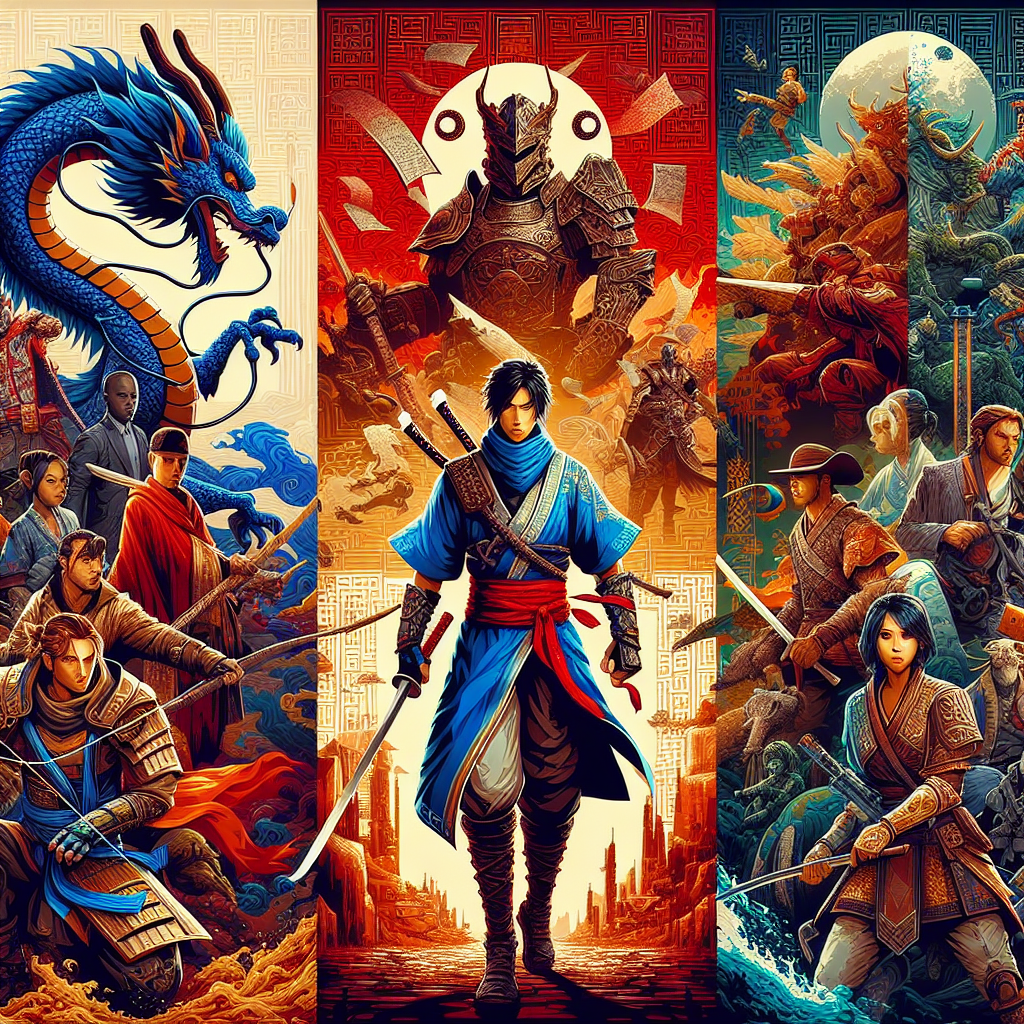
In the vast landscape of video games, storytelling transcends mere entertainment, weaving together the rich tapestry of cultural narratives that resonate with players across the globe. This post will delve into the intricate world of cultural narratives in gaming, exploring how local myths and legends influence game design, the significance of cultural representation in character development, and the challenges developers face in authentically representing diverse cultures. We will also highlight successful games that embody these elements and discuss the future of cultural narratives in shaping unique player experiences.
Understanding Cultural Narratives in Gaming
The concept of cultural narratives in gaming encompasses the shared stories, beliefs, and values that define a particular culture, influencing how games are created and experienced. These narratives serve as the backbone of many games, providing context and depth that enrich the player’s experience. Understanding these narratives not only enhances gameplay but also fosters a deeper connection between players and the stories being told.
At its core, cultural narratives can manifest in various ways within a game, including themes, character arcs, and world-building elements. For instance, a game set in a historically rich environment might draw upon local folklore to create quests or missions that resonate with players who share that cultural background. This approach not only engages players but also educates others about different cultures, creating a bridge of understanding through interactive storytelling.
Moreover, the integration of cultural narratives can lead to a more immersive experience. When developers weave authentic cultural elements into gameplay, players often find themselves more invested in the storyline and characters. This connection can lead to heightened emotional responses and a profound sense of belonging within the game’s universe. As players navigate through narratives that reflect their own backgrounds or those of unfamiliar cultures, they embark on a journey of exploration and empathy.
However, the challenges in representing cultural narratives cannot be overlooked. Developers must tread carefully to avoid stereotypes and misrepresentations, which can lead to backlash from the very communities they aim to represent. A nuanced understanding of cultural significance and context is essential to ensure that these narratives are both respectful and accurate.
In summary, cultural narratives are pivotal in shaping the gaming experience. By understanding and incorporating these narratives, developers can create games that not only entertain but also foster cultural appreciation and dialogue among players from diverse backgrounds.
The Role of Local Myths and Legends
In the vibrant tapestry of video game development, cultural narratives play a pivotal role in shaping unique player experiences. One of the most compelling aspects of this is the integration of local myths and legends. These narratives not only enrich gameplay but also create a profound connection between players and their cultural heritage.
Local myths and legends serve as a treasure trove of storytelling elements that developers can draw upon. They provide a rich context that can influence game mechanics, character development, and even the visual aesthetics of the game. For instance, a game set in a region inspired by Norse mythology might incorporate elements such as Yggdrasil, the World Tree, or the Nine Realms, allowing players to engage with these concepts in an interactive format.
In many cases, these narratives are woven seamlessly into the gameplay. For example, games like God of War and Assassin’s Creed Valhalla utilize mythological frameworks to enhance the player’s journey, providing not just a backdrop but also a compelling narrative that drives the quest. This method not only captivates players but also fosters a deeper understanding of the myths themselves, educating players about different cultures in an engaging way.
Moreover, the incorporation of local lore can also help in creating a sense of identity for players. Games that reflect the myths and traditions of a specific culture can resonate more deeply with players from that background, allowing them to see their own stories represented in the digital realm. This cultural representation is crucial, as it fosters inclusivity and diversity within the gaming community.
As the gaming industry continues to evolve, the emphasis on cultural narratives is likely to grow. Developers who recognize the power of local myths and legends can create immersive experiences that not only entertain but also educate and empower players, making every gaming session a journey through the rich tapestry of human storytelling.
Cultural Representation in Character Development
In the realm of video games, cultural narratives play an essential role in shaping character development and enriching player experiences. These narratives not only define how characters are perceived but also influence the emotional connection players establish with them. As the gaming industry becomes increasingly global, understanding and implementing diverse cultural elements in character design has never been more crucial.
One of the most significant aspects of cultural representation is the authenticity of characters. Players are more likely to engage with characters that reflect their own cultural backgrounds or introduce them to new perspectives. For instance, characters inspired by specific cultural folklore or traditions can enhance storytelling by providing a richer context that resonates with players. This approach is evident in games like “Spiritfarer”, which beautifully incorporates various cultural elements to depict its characters, allowing players to navigate themes of loss and companionship through a culturally nuanced lens.
Moreover, the portrayal of diverse cultures can challenge stereotypes and promote understanding. By creating characters that break away from traditional tropes, game developers can foster a more inclusive environment. Games like “Overwatch” have made strides in this area, featuring a cast of characters from various backgrounds, each with unique stories and motivations. This not only enriches the gameplay experience but also encourages players to appreciate different cultures.
Character development informed by cultural narratives also extends to gameplay mechanics. For instance, a character’s cultural background can influence their abilities or skills, creating a gameplay experience that reflects their heritage. This integration of culture into mechanics is not only innovative but also serves to educate players about different ways of life and thinking.
In conclusion, incorporating cultural narratives into character development is vital for creating compelling and relatable gaming experiences. As developers continue to explore this avenue, the potential for enriching gameplay through diverse cultural representation will only grow. By fostering authentic connections and challenging stereotypes, the gaming industry can pave the way for a more inclusive and engaging future.
Case Studies: Successful Games with Cultural Depth
The integration of cultural narratives in video game development has become a powerful tool for enhancing player engagement and providing unique gaming experiences. By weaving rich cultural contexts into their storytelling, developers can create immersive worlds that resonate with players on a deeper level. Here, we explore a few notable examples of games that have successfully embraced cultural narratives, showcasing their impact on player experience.
This game beautifully blends themes of death and cultural representation. Players take on the role of Stella, a ferrymaster who guides spirits to the afterlife, each representing different cultural backgrounds with unique stories. Its narrative depth lies in the respectful portrayal of various cultures and their beliefs about death and the afterlife.
Drawing heavily from Japanese mythology, Okami immerses players in a visually stunning world that celebrates Shinto culture. The game’s protagonist, Amaterasu, embodies the sun goddess, and the narrative is steeped in traditional Japanese folklore. The art style, inspired by Japanese ink painting, enhances the cultural experience, making it a landmark title in the realm of cultural storytelling in games.
Set in Ancient Greece, this game offers players a rich tapestry of historical events, cultural practices, and philosophical ideas. Players can explore iconic locations and engage with historical figures, allowing them to experience the intricacies of Greek culture firsthand. The game’s attention to detail in depicting the lifestyle and beliefs of the time adds a layer of educational value to the entertainment.
These case studies illustrate how cultural narratives can significantly enrich gameplay, providing players with not only entertainment but also an appreciation for diverse histories and perspectives. As the gaming industry continues to evolve, the potential for incorporating cultural depth into narratives will likely expand, further enhancing player experiences and fostering a deeper connection with the medium.
Challenges in Representing Diverse Cultures
Video game development is a complex process that often intersects with the rich tapestry of global cultures. As developers strive to create immersive worlds, they face unique challenges in accurately representing diverse cultures. The importance of cultural sensitivity cannot be overstated, as misrepresentations can lead to backlash from communities and ultimately diminish the player experience.
One significant challenge lies in understanding cultural nuances. Developers often lack firsthand experience with the cultures they wish to portray, leading to stereotypes or oversimplifications. For example, a game may attempt to depict a particular tradition or practice, but without thorough research, it risks conveying an inaccurate or offensive representation. This can alienate players who identify with those cultures, resulting in negative perceptions of the game and its creators.
- Research and Collaboration: Engaging cultural consultants can help bridge knowledge gaps.
- Diverse Development Teams: A team that reflects a variety of backgrounds can contribute authentic perspectives.
- Player Feedback: Actively seeking input from diverse player communities can refine representations.
Another challenge is the potential for cultural appropriation. This occurs when elements of a culture are used without understanding or respect for their significance. For instance, using sacred symbols in a game without context can be seen as trivializing important cultural elements. Developers must tread carefully, ensuring that their work honors the cultures represented rather than exploiting them for profit.
Furthermore, the challenge of balancing creativity with authenticity is prevalent. Developers are often driven by the desire to create engaging narratives and gameplay mechanics that resonate with players. However, this can sometimes lead to the dilution of cultural elements in favor of mainstream appeal. Striking the right balance between an entertaining game and an authentic representation of culture is a delicate task.
In conclusion, the journey to represent diverse cultures in video game development is fraught with challenges that require careful navigation. By prioritizing research, collaboration, and cultural sensitivity, developers can create more inclusive and authentic gaming experiences that resonate with players around the world.
The Future of Cultural Narratives in Gaming
As the gaming industry continues to evolve, the integration of cultural narratives in video game development is becoming increasingly essential. These narratives not only enhance gameplay but also reflect the diverse backgrounds and experiences of players around the globe. By weaving cultural elements into game design, developers can create immersive experiences that resonate on a personal level, fostering deeper connections with their audiences.
Looking ahead, we can expect to see several trends that will shape the future of cultural narratives in gaming:
- Inclusive Storytelling: Games will increasingly feature stories that represent a wider array of cultures, identities, and experiences. This inclusivity will not only attract a diverse player base but also enrich the narrative landscape of gaming.
- Interactive Cultural Experiences: Players will have the opportunity to engage with cultural narratives in interactive ways, allowing them to make choices that reflect their values and beliefs. This interactivity can lead to a more meaningful exploration of cultural themes.
- Collaborations with Cultural Experts: Game developers are likely to partner with cultural historians, anthropologists, and artists to ensure authenticity in their storytelling. Such collaborations will lend credibility and depth to narratives, helping to avoid stereotypes and misrepresentations.
- Emphasis on Community Input: Many developers are now recognizing the importance of community feedback in shaping narratives. By involving players in the development process, games can evolve in ways that genuinely reflect the interests and desires of their audiences.
- Technological Integration: Advances in technology, such as augmented reality (AR) and virtual reality (VR), will provide new opportunities for players to experience cultural narratives. These technologies can create immersive environments that bring stories to life in ways that traditional gaming formats cannot.
In conclusion, the future of cultural narratives in gaming is bright and full of potential. By embracing diversity and fostering inclusive storytelling, developers have the unique opportunity to create games that not only entertain but also educate and inspire players. As the industry continues to grow, the integration of cultural narratives will undoubtedly lead to richer, more engaging experiences for all.