The Rising Trend of Gamification in Business: Engaging Employees through Play
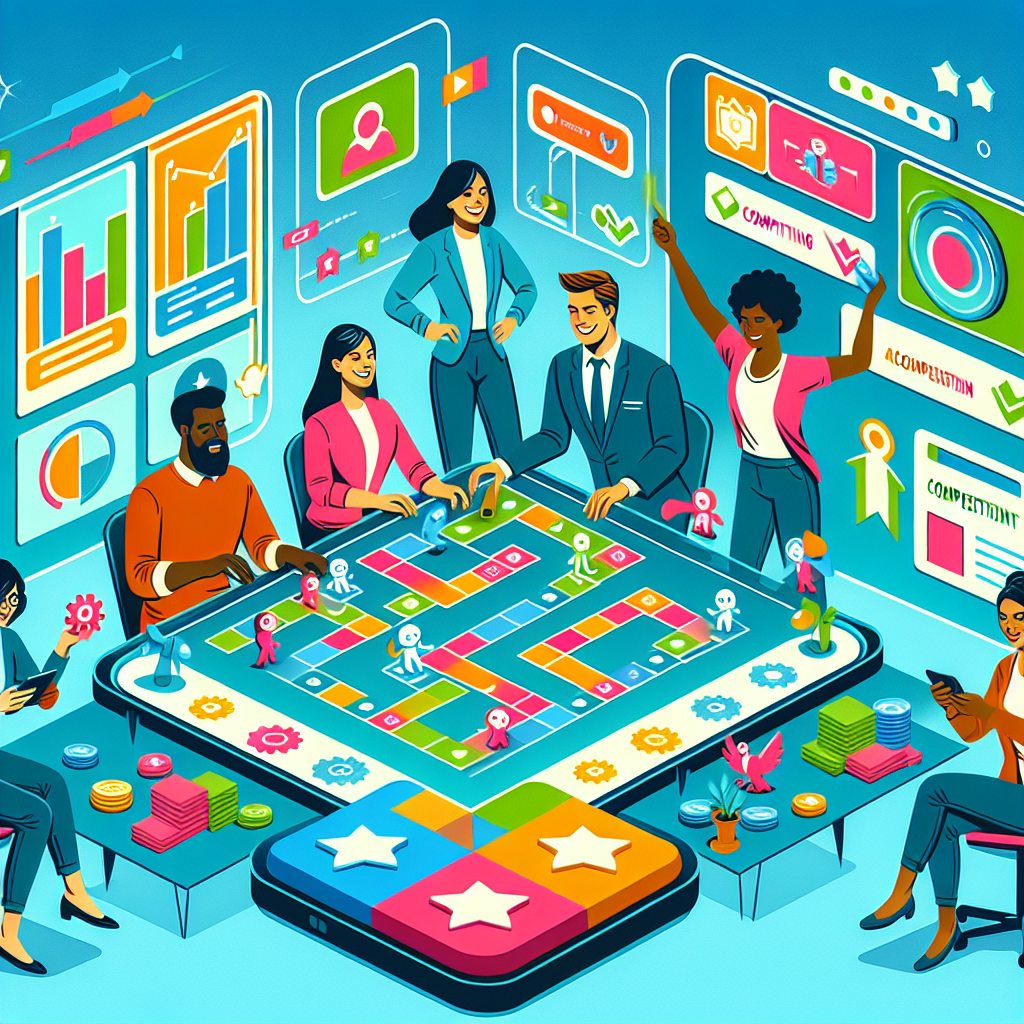
The concept of gamification has gained immense traction in recent years, transcending the boundaries of traditional gaming and infiltrating the corporate world. By integrating game-like elements into the workplace, businesses have found innovative ways to enhance employee engagement, motivation, and productivity. In this blog post, we will explore various dimensions of gamification in business, including its definition and significance, the benefits it brings to employee motivation, successful case studies from various corporations, challenges in implementation, future trends, and best practices for creating a gamified culture.
Understanding Gamification in the Workplace
Gamification in the workplace refers to the application of game design elements and principles in non-game contexts to motivate and enhance employee engagement. This innovative approach leverages the inherent human desire for competition, achievement, and recognition, transforming mundane tasks into exciting challenges. By incorporating elements such as points, badges, leaderboards, and rewards, companies aim to create a more dynamic and engaging work environment.
At its core, gamification taps into psychological principles that drive human behavior. For instance, the operant conditioning theory, which suggests that behaviors can be modified through rewards and punishments, plays a significant role in gamified settings. When employees encounter game-like challenges, they are more likely to remain engaged and motivated to perform better, as they receive immediate feedback through points or tangible rewards.
Moreover, gamification can foster a sense of community and collaboration among employees. By encouraging teamwork through collective challenges or competitions, organizations can break down silos and enhance interpersonal relationships. This collaborative atmosphere not only boosts morale but also leads to improved overall performance.
To successfully implement gamification in the workplace, it is crucial to align game elements with organizational goals and employee needs. This ensures that the gamified experience is not merely entertaining but also contributes to the company’s objectives. For example, a sales team might engage in a competition to meet sales targets, where top performers earn rewards, thus driving both individual and team success.
As we delve deeper into the realm of gamification, it becomes evident that understanding its principles and applications is essential for businesses looking to enhance employee engagement and motivation. In the following sections, we will discuss the myriad benefits of gamification, explore successful case studies, and identify the challenges organizations may face when integrating this innovative approach into their corporate culture.
Benefits of Gamification for Employee Motivation
In today’s fast-paced business environment, employee motivation is more crucial than ever. Companies are increasingly turning to gamification as a powerful tool to engage and inspire their workforce. By integrating game-like elements into everyday tasks, organizations can create an environment that promotes productivity, satisfaction, and collaboration. Here are some of the key benefits of gamification for employee motivation:
- Enhanced Engagement: Gamification transforms mundane tasks into exciting challenges. By introducing elements such as points, badges, and leaderboards, employees feel a sense of achievement and are more likely to participate actively in their work.
- Increased Productivity: With clear goals and immediate feedback, gamified systems encourage employees to focus and complete tasks efficiently. This structured approach can lead to significant improvements in overall productivity.
- Encouraged Collaboration: Many gamification strategies promote teamwork, fostering a collaborative culture. Employees are motivated to work together towards common objectives, enhancing communication and interpersonal relationships within the team.
- Skill Development: Gamification often incorporates training modules that allow employees to learn new skills in a fun, interactive way. This not only improves their capabilities but also boosts their confidence and job satisfaction.
- Real-Time Feedback: Instant feedback is a key component of gamified systems. Employees can track their progress and receive recognition for their achievements, which reinforces positive behavior and keeps them motivated.
- Increased Retention: When employees feel engaged and valued, they are more likely to remain loyal to the company. Gamification can reduce turnover rates by creating a positive work environment that employees want to be part of.
In conclusion, the integration of gamification into business practices offers a multitude of benefits that enhance employee motivation. By fostering a culture of engagement, productivity, and collaboration, companies can create a thriving workplace that encourages continuous development and employee satisfaction.
Successful Case Studies of Gamification in Corporations
As the concept of gamification continues to gain traction in the corporate world, numerous companies have successfully integrated game-like elements into their workplace strategies to enhance employee engagement and productivity. Below, we explore several noteworthy case studies that highlight the effectiveness of gamification in various corporate environments.
Deloitte implemented a gamified learning platform called Deloitte Leadership Academy to enhance training and development for its employees. The platform uses game mechanics such as points, badges, and leaderboards to motivate employees to complete training modules. As a result, Deloitte reported a 40% increase in engagement and completion rates.
SAP introduced a gamification element within its internal software to promote collaboration and idea sharing among employees. By creating a game in which employees earn points for sharing ideas and collaborating on projects, SAP saw a significant boost in innovation. The result was a 25% increase in new project proposals.
Cisco launched a gamified training program called Cisco Connect, aimed at improving employee learning experiences. By incorporating game mechanics into their training modules, Cisco achieved a 30% reduction in training time while simultaneously increasing knowledge retention.
These case studies exemplify how gamification can transform traditional corporate practices, leading to enhanced employee motivation, engagement, and productivity. By tapping into the intrinsic desires for achievement and recognition, companies can create a more dynamic and interactive workplace that not only fosters professional growth but also cultivates a positive corporate culture.
Challenges and Considerations in Implementing Gamification
As businesses increasingly adopt gamification strategies to boost employee engagement and productivity, several challenges and considerations must be addressed to ensure successful implementation. Understanding these factors can help organizations harness the full potential of gamification while avoiding common pitfalls.
1. Lack of Clear Objectives
One of the primary challenges in implementing gamification is the absence of well-defined objectives. Without clear goals, gamification efforts can become misaligned with the overall business strategy, leading to wasted resources and diminished engagement. It’s crucial for organizations to establish specific, measurable objectives that align with their broader goals.
2. Employee Resistance
Resistance from employees can pose a significant barrier to successful gamification. Some employees may view gamification as trivial or patronizing, leading to disengagement rather than motivation. To counter this, organizations should involve employees in the design process, ensuring that the gamification elements resonate with their needs and preferences.
3. Balancing Competition and Collaboration
While gamification often emphasizes competition, fostering a collaborative environment is equally important. Excessive competition can lead to stress and unhealthy rivalry among employees. Organizations should strive to balance competitive elements with collaborative activities, encouraging teamwork and camaraderie.
4. Technology Integration
Implementing gamification often requires integrating new technologies into existing systems. This can be a complex and resource-intensive process, especially for organizations with outdated infrastructure. Ensuring seamless integration is crucial for maintaining user engagement and achieving desired outcomes.
5. Measuring Success
Another challenge is measuring the success of gamification initiatives. Organizations must establish metrics to evaluate the effectiveness of their gamification strategies. This includes tracking employee engagement, productivity improvements, and overall satisfaction. Regular assessments can help refine the approach and demonstrate the value of gamification to stakeholders.
6. Sustainability of Engagement
Maintaining enthusiasm for gamification over time can be difficult. Initial excitement may fade, leading to declining participation rates. To counteract this, organizations should continuously refresh their gamification elements, introducing new challenges, rewards, and experiences to keep employees engaged and motivated.
By understanding and addressing these challenges, businesses can implement gamification strategies that not only engage employees but also drive meaningful results. Emphasizing a thoughtful approach to design, execution, and evaluation will pave the way for a successful gamification journey.
Future Trends: The Evolution of Gamification in Business
The landscape of business is undergoing a significant transformation as gamification evolves from a mere trend to a strategic imperative. This evolution is not only enhancing employee engagement but also driving productivity and innovation within the workplace.
As we look to the future, several key trends are emerging in the realm of gamification:
- Integration of Advanced Technologies: The use of technologies such as artificial intelligence (AI) and augmented reality (AR) is becoming prevalent in gamified systems. These technologies enable more personalized and immersive experiences, allowing businesses to tailor challenges and rewards to individual preferences and performance.
- Data-Driven Insights: Companies are increasingly leveraging data analytics to measure the effectiveness of gamification strategies. By analyzing employee interactions and engagement levels, businesses can refine their approaches, ensuring that gamification initiatives are not only fun but also effective in achieving corporate goals.
- Focus on Mental Well-Being: Future gamification strategies are placing a greater emphasis on mental health and well-being. By incorporating elements that promote mindfulness and resilience, businesses can create a more supportive work environment that fosters both productivity and employee satisfaction.
- Social and Collaborative Elements: Gamification is moving towards promoting teamwork and collaboration. Future platforms will likely include features that encourage group challenges and collective achievements, helping to build stronger interpersonal relationships among employees.
- Customization and Flexibility: The demand for customization in gamified systems is growing. Organizations are recognizing that a one-size-fits-all approach does not work. Future trends will likely see a rise in customizable gaming experiences that align with specific corporate cultures and employee demographics.
As gamification continues to evolve, it will undoubtedly play a crucial role in shaping how businesses engage employees and drive performance. Companies that embrace these trends will not only enhance their workplace culture but will also position themselves as leaders in innovation and employee satisfaction.
Creating a Gamified Culture: Best Practices
In today’s fast-paced business environment, organisations are increasingly recognising the importance of employee engagement as a critical factor in driving productivity and satisfaction. One effective strategy that has emerged is the implementation of gamification within the workplace. By integrating game-like elements into everyday tasks, companies can foster a more dynamic and motivating work culture. Here are some best practices for creating a gamified culture:
1. Define Clear Objectives
Before launching a gamification initiative, it’s essential to establish clear goals. What do you want to achieve? Whether it’s increasing productivity, enhancing teamwork, or boosting creativity, having defined objectives will guide your strategy and help measure success.
2. Understand Your Audience
Not all employees are motivated by the same incentives. Conduct surveys or focus groups to understand what drives your team’s engagement. Customising the gamification elements to fit different personalities and preferences will make the experience more impactful.
3. Incorporate Meaningful Rewards
Rewards should be meaningful and relevant to your employees. Effective recognition can range from small tokens of appreciation to more significant incentives such as bonuses or additional time off. The key is to ensure that the rewards resonate with your workforce.
4. Foster Healthy Competition
Gamification can introduce friendly competition among employees, which can be highly motivating. Consider implementing leaderboards or team challenges that encourage collaboration while also promoting a competitive spirit. However, it’s vital to maintain a balance to prevent unhealthy rivalries.
5. Provide Continuous Feedback
Feedback is crucial in a gamified environment. Regularly update employees on their performance and progress, providing constructive feedback to help them improve. This not only keeps them engaged but also reinforces the sense of achievement.
6. Leverage Technology
Utilising technology can enhance the gamification experience. Consider using dedicated platforms or applications that allow employees to track their progress, receive rewards, and interact with peers. This tech integration can simplify the process and make it more enjoyable.
7. Encourage Collaboration
While competition can be motivating, collaboration is equally important. Design challenges that require teamwork and collective problem-solving, fostering a sense of community and shared purpose among employees.
By implementing these best practices, organisations can cultivate a gamified culture that not only engages employees but also drives overall success. As the workplace continues to evolve, gamification will play an increasingly vital role in shaping a productive and fulfilling work environment.